

The Gabapentin lawsuit centers on allegations that manufacturers failed to adequately warn patients and healthcare providers about a potential connection between long-term gabapentin use and cognitive decline.
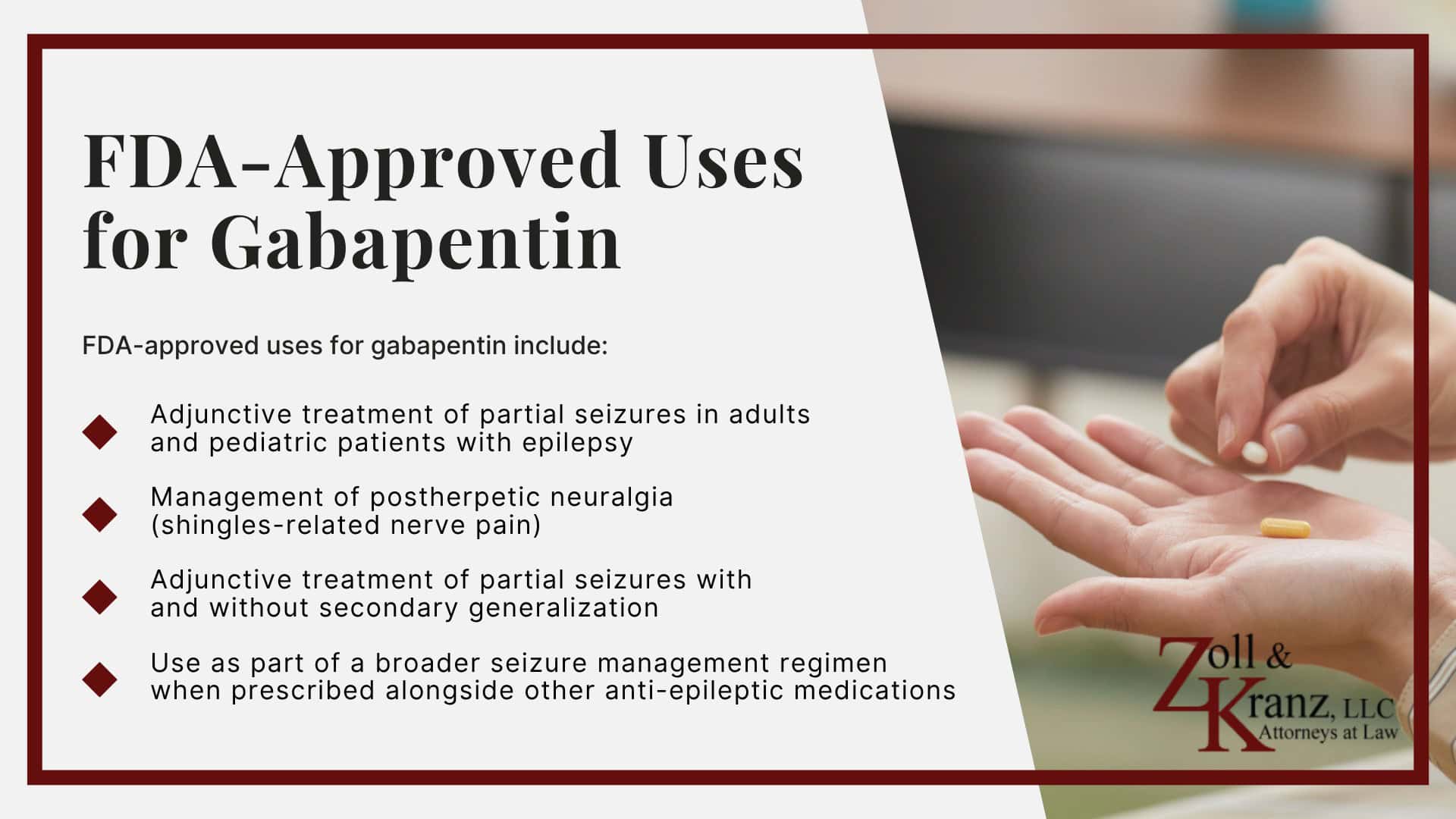
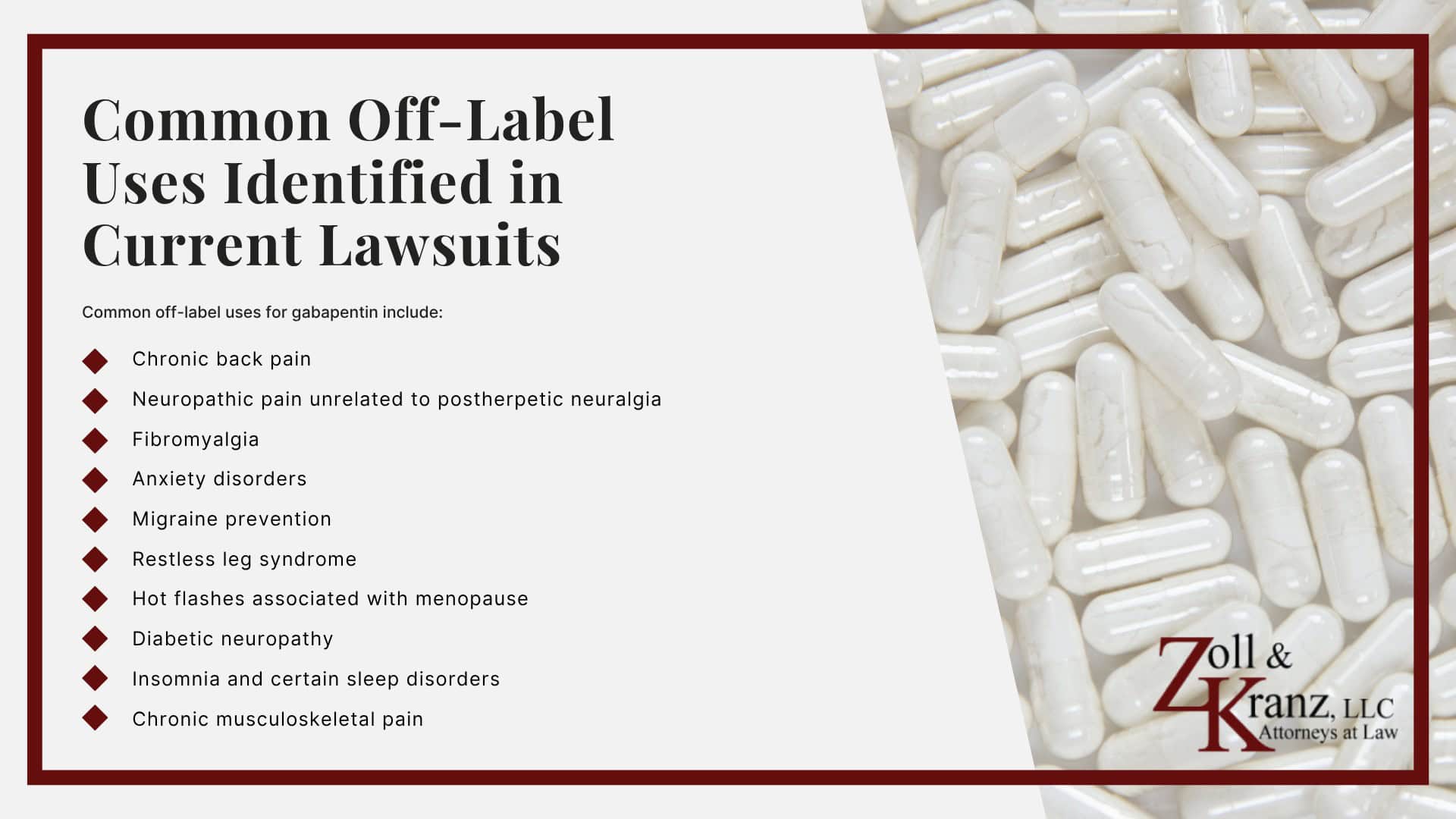
Gabapentin is commonly prescribed to treat seizures, nerve pain, and a variety of off-label conditions, leading millions of patients to take the drug over extended periods.
Recent research has raised concerns that some adult patients prescribed gabapentin may face significantly increased risks of developing mild cognitive impairment or dementia after repeated exposure.
Plaintiffs argue that many patients continued taking the medication without being informed of these potential neurocognitive risks.
In many cases, individuals were initially prescribed the drug following an initial pain diagnosis and later experienced memory problems, cognitive difficulties, or dementia diagnoses.
Lawsuits seek to hold manufacturers accountable while allowing affected individuals and families to attempt to secure compensation for medical expenses, lost income, and other damages.
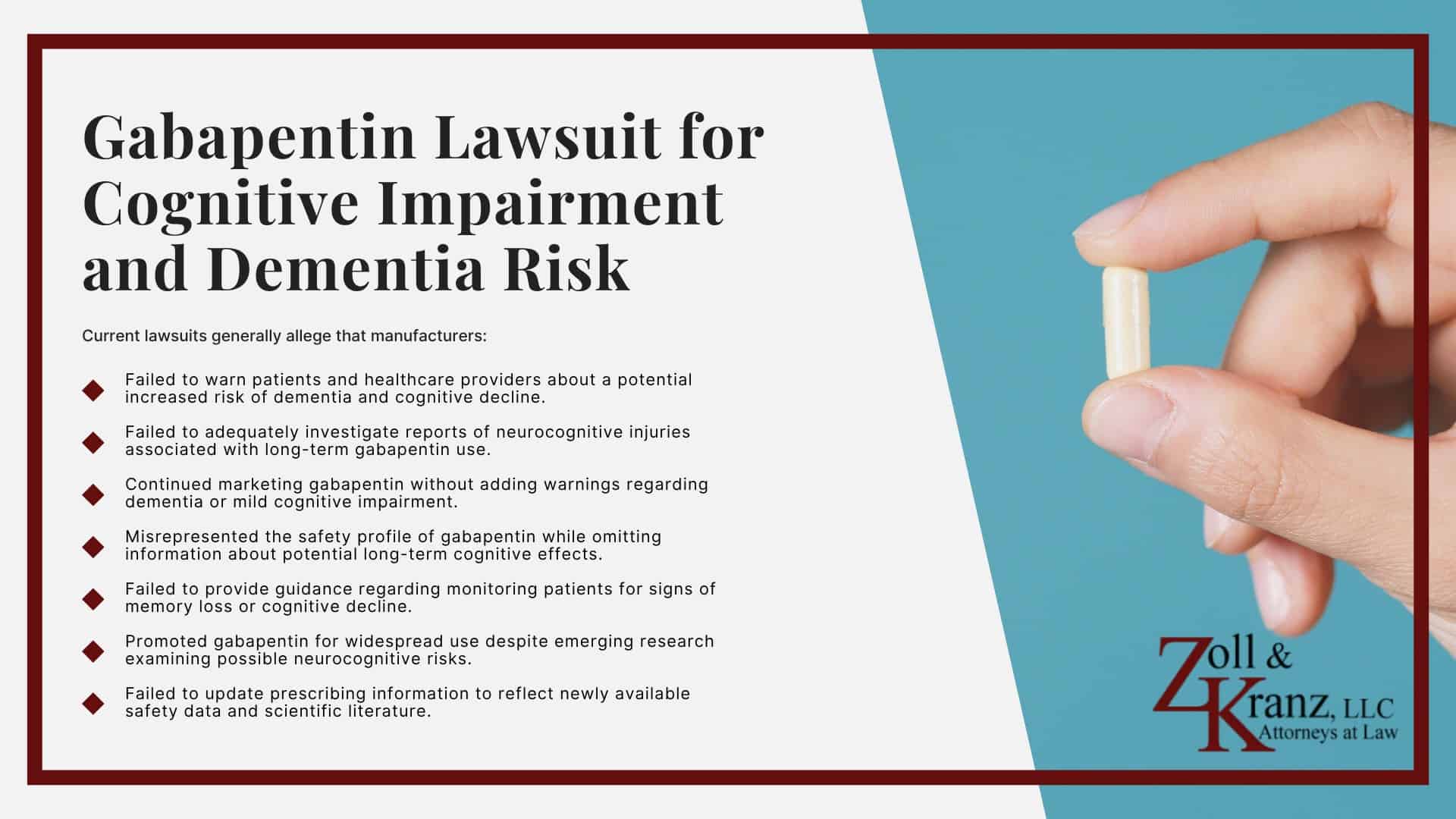
Current lawsuits generally allege that manufacturers:
- Failed to warn patients and healthcare providers about a potential increased risk of dementia and cognitive decline.
- Failed to adequately investigate reports of neurocognitive injuries associated with long-term gabapentin use.
- Continued marketing gabapentin without adding warnings regarding dementia or mild cognitive impairment.
- Misrepresented the safety profile of gabapentin while omitting information about potential long-term cognitive effects.
- Failed to provide guidance regarding monitoring patients for signs of memory loss or cognitive decline.
- Promoted gabapentin for widespread use despite emerging research examining possible neurocognitive risks.
- Failed to update prescribing information to reflect newly available safety data and scientific literature.
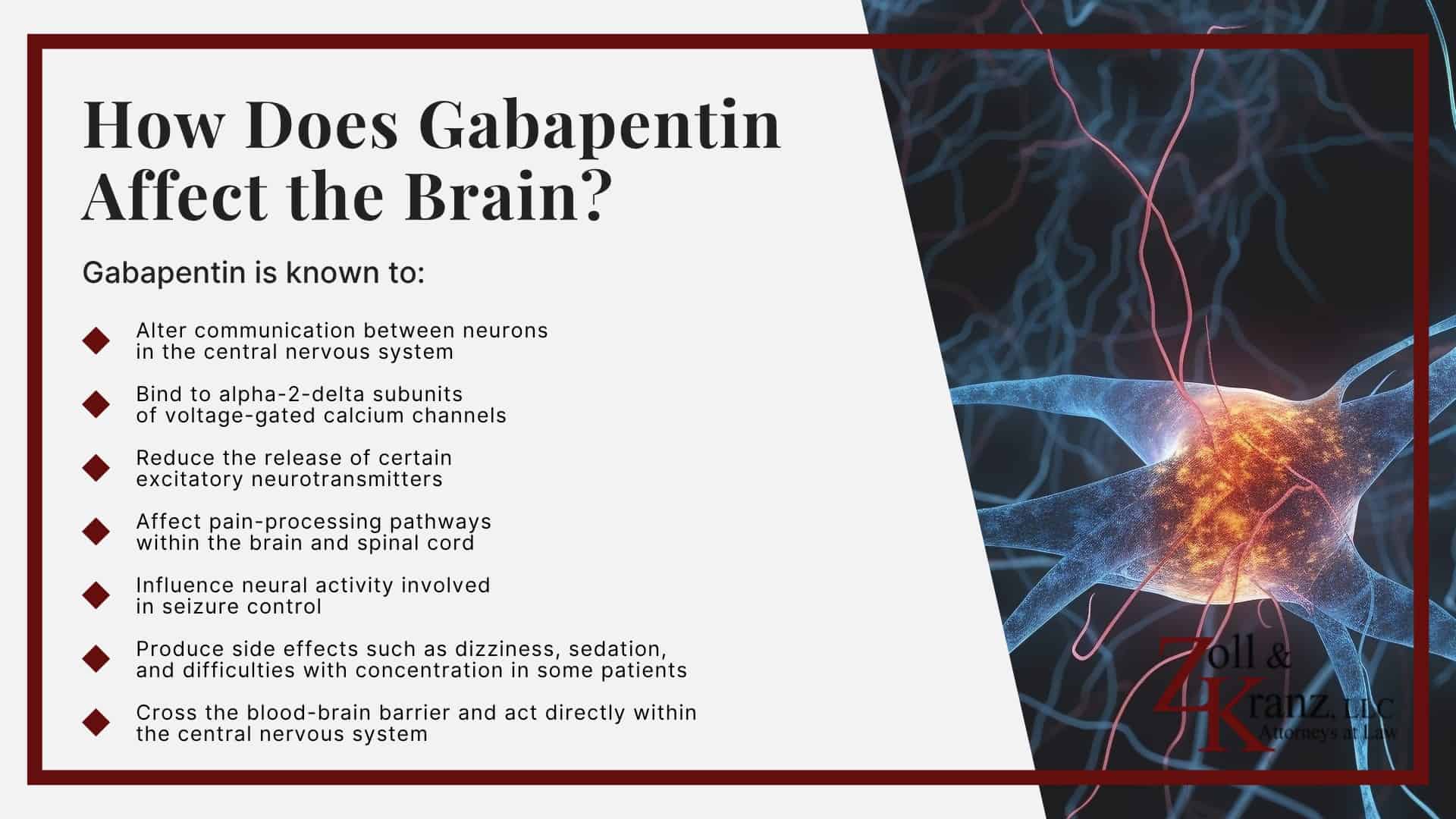
Understanding the litigation begins with understanding the medication itself. Gabapentin has been prescribed for decades to treat seizures, nerve pain, and a variety of off-label conditions, making it one of the most widely prescribed neurological medications in the United States.
New Research Reported Higher Rates of Dementia and Mild Cognitive Impairment Among Certain Gabapentin Users
Recent research examining the long-term neurological effects of gabapentin has become a central focus of the emerging litigation.
The most widely cited study, published in Regional Anesthesia & Pain Medicine and summarized by the BMJ Group, analyzed medical records from more than 52,000 patients with chronic low back pain and compared individuals who received gabapentin prescriptions to those who did not.
Researchers found that patients who received six or more prescriptions faced a heightened risk of cognitive decline, including a 29% greater likelihood of being diagnosed with dementia and an 85% greater likelihood of developing mild cognitive impairment (MCI) within ten years of their initial pain diagnosis.
The evaluation based on prescription frequency revealed an even stronger association among patients who received the drug more often.
Individuals with 12 or more prescriptions were approximately 40% more likely to develop dementia and 65% more likely to develop MCI than patients who received fewer prescriptions.
Researchers also reported that adults between the ages of 35 and 64 experienced some of the strongest associations observed in the study, with risks increasing substantially compared to similar patients who were not prescribed gabapentin.
According to the study, cognitively normal adults may show cognitive decline within 2 years of gabapentin use, and overall, gabapentin use increases dementia risk by 45%, according to studies.
The authors emphasized that the study was observational and did not establish a direct cause-and-effect relationship between gabapentin use and dementia.
Nevertheless, the results support additional investigation into whether gabapentin contributes to neurodegenerative changes and whether certain patients may be particularly vulnerable to cognitive decline.
The researchers further stated that their findings support the need for close monitoring of patients prescribed gabapentin to identify potential signs of memory loss, cognitive impairment, or dementia as early as possible.
Plaintiffs Claim Manufacturers Failed to Warn About Potential Long-Term Cognitive Risks
Plaintiffs allege that manufacturers knew or should have known for years that gabapentin could contribute to cognitive decline, memory problems, and a higher dementia risk among certain patients.
According to the lawsuits, scientific literature, adverse event reports, and post-market safety data provided opportunities to further investigate these potential neurological effects long before the current litigation emerged.
Despite those alleged warning signs, plaintiffs claim the manufacturers continued marketing gabapentin without adding any dementia-related information to the drug’s warning label.
The lawsuits further allege that healthcare providers and patients were never informed that long-term use could potentially be associated with an increased risk of mild cognitive impairment or dementia.
As a result, gabapentin continued to be prescribed to tens of thousands of patients each year for both approved and off-label uses without any guidance regarding cognitive monitoring.
Plaintiffs contend that stronger warnings and additional safety information could have influenced prescribing decisions and helped patients recognize possible symptoms of cognitive decline sooner.