No fees unless we win.
Get a free consultation
29 Reviews
5.0
★★★★★

Patient Falls in Nursing Homes

Falls in Nursing Homes Can Cause Serious Injuries

Falls are one of the most common causes of preventable injuries among elderly nursing home residents, but not every fall is the result of negligence.

While most falls occur because of a combination of medical conditions, mobility limitations, or age-related changes, some happen because a nursing home failed to provide appropriate supervision, follow a resident’s care plan, or address known safety risks.

When that occurs, a resident may suffer a major injury such as a hip fracture, traumatic brain injury, or other complications that significantly affect their health and independence.

The nursing home negligence attorneys at Zoll & Kranz help families investigate serious nursing home falls, review medical records and other evidence, and determine whether the facts support a claim under Ohio law.

Can You Sue for Nursing Home Abuse Ohio Injury Law Firm Explains YouTube Thumbnail

Was Your Loved One Injured in a Fall at a Nursing Home? Contact Us

Falls are a leading cause of serious injuries among nursing home residents, but not every fall is unavoidable.

Many older adults have medical conditions, mobility limitations, poor vision, medication side effects, or other underlying health issues that increase their risk of falling and require individualized care and supervision.

Nursing homes are expected to assess those risks, develop appropriate care plans, and implement reasonable measures to help prevent foreseeable falls.

When a facility fails to follow a resident’s care plan or provide appropriate assistance, a preventable fall may result in significant physical, emotional, and financial consequences.

Serious fall injuries can reduce a resident’s quality of life, limit independence, and require hospitalization, surgery, rehabilitation, or long-term medical care.

Understanding why nursing home falls happen, how they may be prevented, and when they may indicate negligence can help families protect their loved ones and evaluate their legal options under Ohio law.

If your loved one suffered serious injuries after a fall in a Toledo nursing home, you may be eligible to file a nursing home fall lawsuit and seek compensation for the harm caused.

Contact Zoll & Kranz today for a free consultation to discuss your legal options.

You can also use the chat feature on this page to find out if you qualify for a nursing home fall case under Ohio law.

Patient Falls in Nursing Homes

Why Falls Are Common in Nursing Homes

Falls are common in nursing homes because many residents have multiple health conditions that affect their balance, mobility, and ability to move safely without assistance.

Age-related muscle weakness, impaired balance, cognitive impairment, medication side effects, and chronic medical conditions can all increase the likelihood of a fall.

Residents recovering from surgery, illness, or hospitalization may also require temporary assistance with walking, transferring, or using the bathroom until their strength returns.
Many nursing home patients rely on nursing home staff to help them move safely throughout the day, making timely supervision and assistance an important part of fall prevention.

Environmental hazards such as wet floors, poor lighting, cluttered walkways, or missing assistive devices can further increase the risk of injury.

While some falls cannot be prevented, many occur after known risk factors have already been identified through fall-risk assessments and individualized care plans.

Understanding why falls happen helps families evaluate whether a loved one’s injuries resulted from unavoidable medical circumstances or whether the nursing home may have failed to provide appropriate care.

Common Causes of Nursing Home Falls

Most nursing home falls occur because several risk factors come together rather than from a single cause.

Some risks are related to a resident’s age, health, or mobility, while others result from unsafe conditions or failures to provide appropriate supervision.

Identifying the cause of a fall is an important part of determining whether the incident could have been prevented through reasonable care.

Nursing homes are generally expected to assess residents for fall risk, develop individualized care plans, and adjust those plans as a resident’s condition changes.

Understanding the common causes of nursing home falls can help families recognize when a serious injury may warrant further investigation.
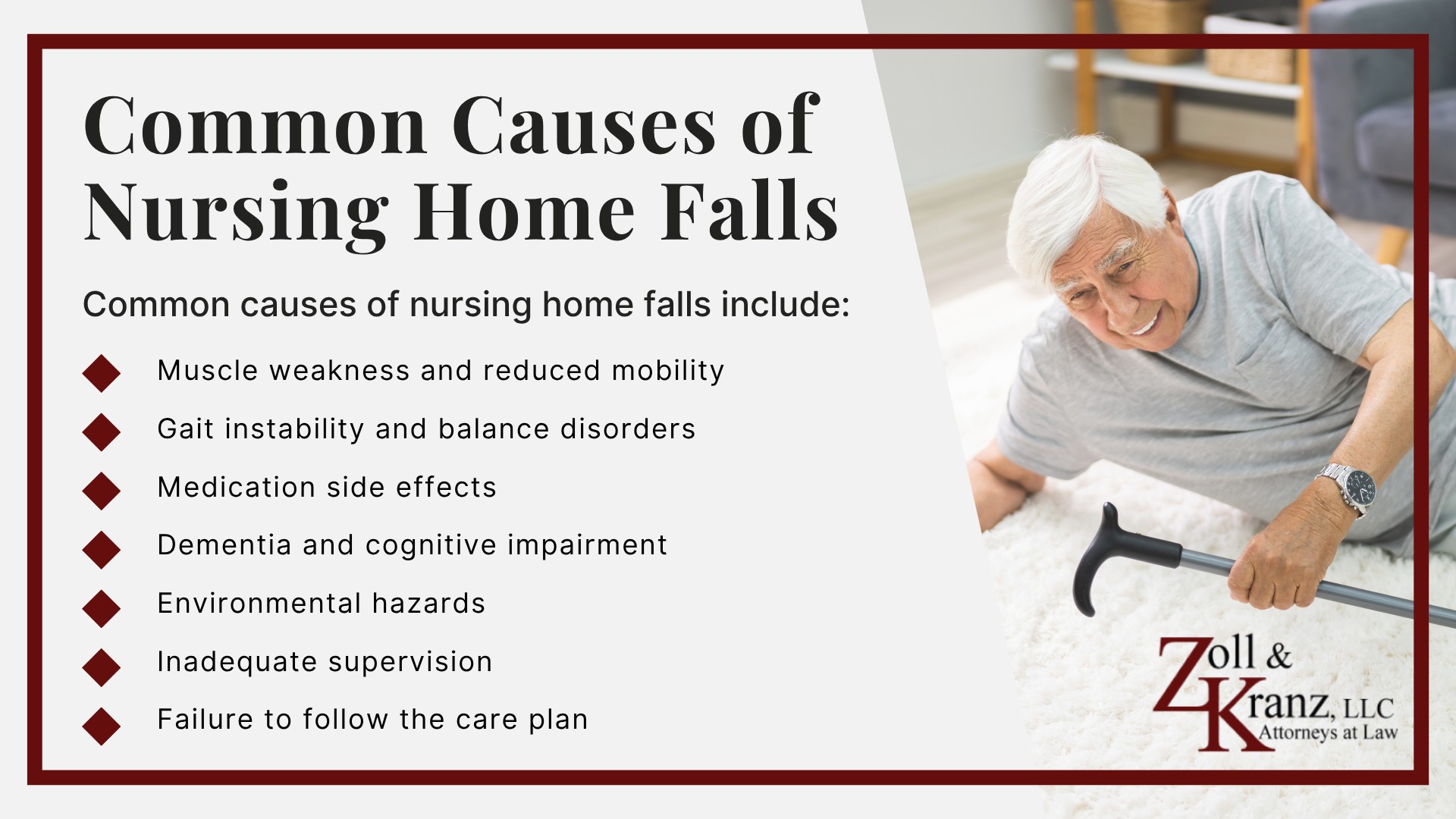
Common causes of nursing home falls include:

  • Muscle weakness and reduced mobility: Age-related muscle loss, limited strength, and difficulty walking can make residents more vulnerable to losing their balance without appropriate assistance.
  • Gait instability and balance disorders: Residents with poor balance or difficulty transferring between a bed, chair, or wheelchair often require additional supervision and mobility aids.
  • Medication side effects: Sedatives, blood pressure medications, sleep aids, and other prescription drugs may cause dizziness, confusion, drowsiness, or impaired coordination.
  • Dementia and cognitive impairment: Memory loss, confusion, and certain behavioral symptoms associated with dementia may cause residents to wander, forget safety precautions, or attempt to walk without assistance.
  • Environmental hazards: Wet floors, cluttered walkways, poor lighting, uneven flooring, loose rugs, or broken handrails can increase the risk of preventable falls.
  • Inadequate supervision: Delayed responses to call lights, insufficient staffing, or failure to assist residents during transfers or toileting can contribute to falls.
  • Failure to follow the care plan: Nursing homes may increase the risk of injury when staff do not implement prescribed fall-prevention measures or use recommended assistive devices.
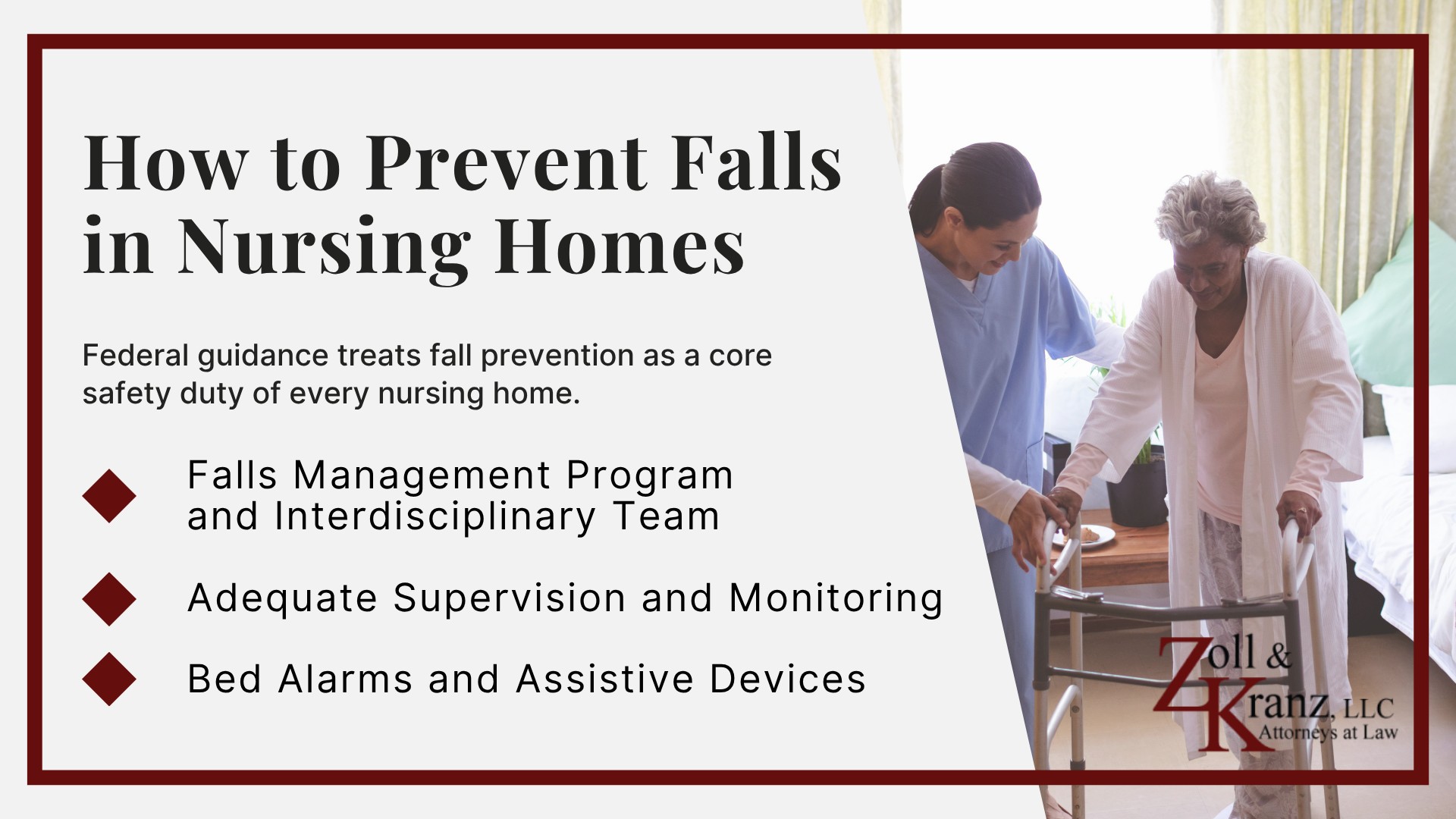
How to Prevent Falls in Nursing Homes

Federal guidance treats fall prevention as a core safety duty of every nursing home.

Nursing homes are required to implement fall prevention strategies, which include conducting comprehensive fall risk assessments and developing individualized care plans for residents.

Effective fall prevention involves personalized risk assessments, exercise programs, medication management, and environmental adjustments.

The Agency for Healthcare Research and Quality runs the Falls Management Program, a federal healthcare research initiative that gives nursing homes evidence-based tools to reduce resident falls and protect resident safety.

Fall prevention strategies in nursing homes commonly include risk screenings and staff training on fall protocols.

Falls Management Program and Interdisciplinary Team

A culture of safety within nursing homes is essential for effective fall prevention, requiring strong leadership, open communication, and a non-punitive environment for staff to report safety concerns.

Resident safety depends on an interdisciplinary team that includes nurses, physicians, pharmacists, therapists, and direct care staff.

Each team member contributes to the resident assessment and the individualized care plan that addresses known hazards.

The AHRQ Falls Management Program recommends a multifactorial approach since no single fall prevention measure works on its own.

Staff training, exercise programs, medication reviews, and environmental changes work together as one system.

Adequate Supervision and Monitoring

High risk residents need timely help with toileting, transfers, bathing, and movement inside the facility.

When call lights go unanswered or nursing home staff delay assistance, residents may try to stand or walk without help, which creates an increased risk of serious injury.

Implementing a toileting schedule for residents can significantly reduce the risk of falls, especially during nighttime when residents may attempt to get up unassisted.

Regular monitoring of residents, where staff check on them every 15 to 30 minutes, is a recommended strategy to prevent falls in nursing homes by ensuring that residents’ needs are met promptly.

Bed Alarms and Assistive Devices

Nursing homes should utilize bed alarms, which alert staff when a resident attempts to get up unassisted, as a critical measure to prevent falls.

Bed alarms, bedside commodes, grab bars, low beds, pressure pads, walkers, wheelchairs, and other assistive devices are common fall prevention tools.

A resident fall may occur when these devices were ordered but not used, broken, missing, or ignored by staff members.

Not all falls in nursing homes can be avoided, but the legal question turns on whether the specific fall was foreseeable based on the chart, the care plan, and the resident known risk factors.

Common Injuries From Nursing Home Falls

A nursing home fall may look minor at first, but fall injuries can worsen after the resident returns to the room or the facility delays medical attention.

Physical injuries from falls frequently include broken bones, especially hip fractures, severe bruising, and traumatic brain injuries (TBI).

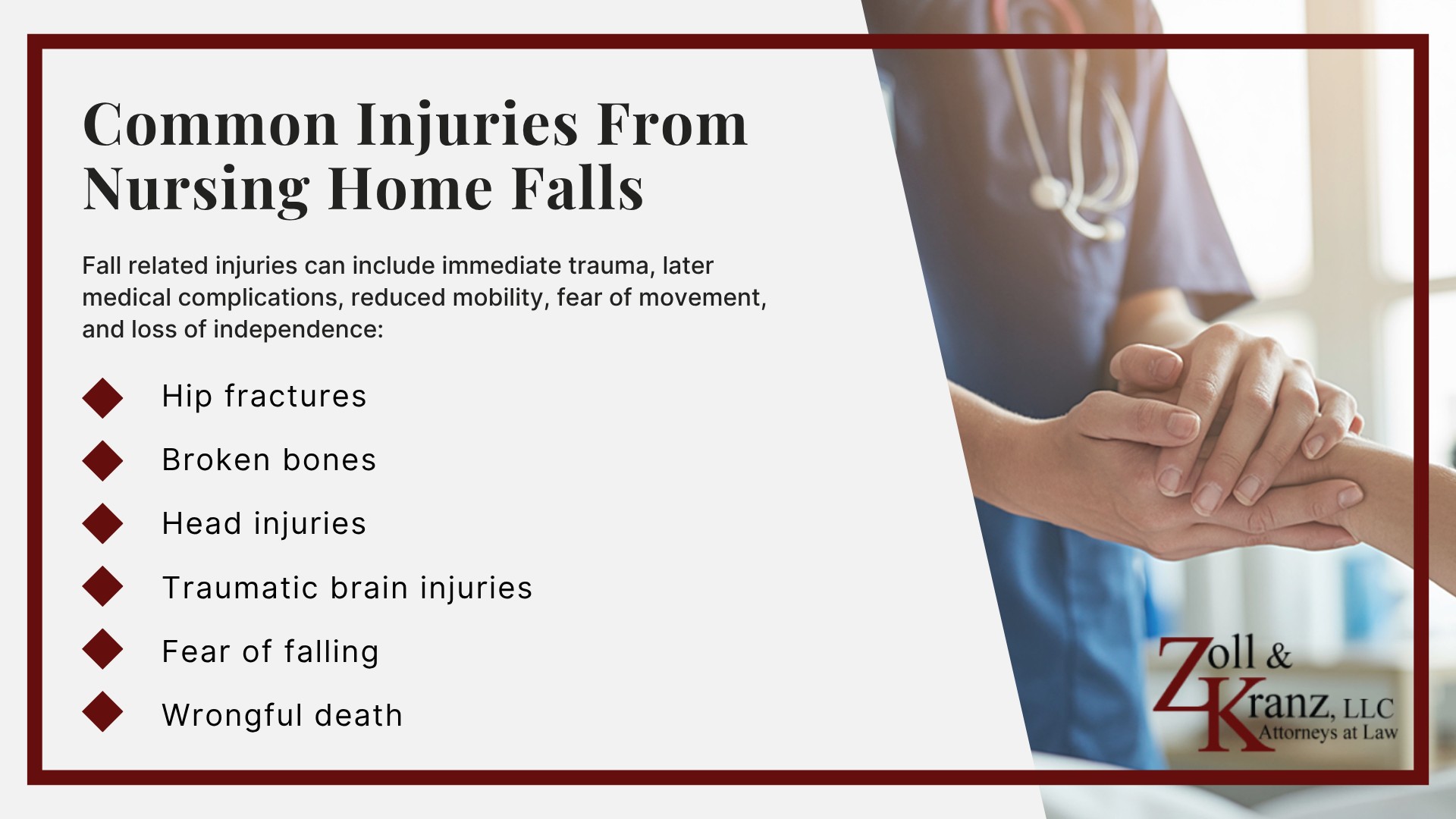
Fall related injuries can include immediate trauma, later medical complications, reduced mobility, fear of movement, and loss of independence:

  • Hip fractures: A hip fracture often requires surgery, hospitalization, rehabilitation costs, pain control, and a long period of restricted mobility.
  • Broken bones: Broken bones may involve the wrist, arm, shoulder, ribs, pelvis, femur, or ankle when a resident tries to stop the fall.
  • Head injuries: A head impact can cause a concussion, brain bleed, skull fracture, or delayed neurological symptoms after the resident strikes the floor, wall, furniture, toilet, or wheelchair.
  • Traumatic brain injuries: Falls are the leading cause of traumatic brain injuries in seniors, which can lead to permanent cognitive decline.
  • Fear of falling: Falls can cause psychological distress, leading to the ‘fear of falling’ syndrome, which results in further physical decline and social isolation. Reduced movement can also increase weakness and the risk of future falls.
  • Wrongful death: A severe fall can lead to wrongful death when the resident suffers a head injury, hip fracture complications, internal bleeding, infection, or rapid decline after hospitalization.

In cases of severe neglect or wrongful death due to falls in nursing homes, compensation can reach hundreds of thousands or even millions of dollars, depending on the circumstances of the case.

Federal and Ohio Nursing Home Fall Laws

Federal and Ohio law set the safety rules that apply when a resident falls in a nursing home.

These laws matter when records show poor supervision, unsafe conditions, ignored care plans, or failure to address known risk factors before the fall.

These standards are the measure used to hold the facility accountable when a fall causes serious harm.

Federal Nursing Home Reform Act and 42 C.F.R. § 483.25(d)

The Nursing Home Reform Act (NHRA) established federal regulations in 1987 to ensure that nursing home residents have comprehensive rights, including the right to be free from abuse and neglect, and to receive care that accommodates their needs.

Under 42 C.F.R. § 483.25(d), a certified nursing home must keep the resident environment as free of accident hazards as possible and provide adequate supervision and assistive devices to prevent accidents.

A facility that violates these federal requirements can lose its Medicaid services funding and face civil liability for the harm caused to residents inside nursing homes and pressure to improve safety on every unit.

Short stay residents and long-term residents are equally protected under these federal rules and Ohio public health standards.

Ohio Nursing Home Residents Bill of Rights

Ohio Revised Code § 3721.13 gives residents legal rights related to safe care, adequate treatment, privacy, dignity, and freedom from abuse or neglect.

Nursing home residents have the right to maintain their autonomy, which includes the ability to refuse mobility assistance, provided they understand the potential consequences of their decisions.

Residents have the right to report concerns about their care without fear of retribution, and nursing homes are required to address these concerns promptly and effectively.

Resident autonomy should be documented in the chart when a resident refuses mobility help, especially when the facility already knows the resident has fall risk.

Filing a Nursing Home Negligence Claim for Falls

A nursing home negligence claim for a fall focuses on whether the facility knew the resident had fall risk and failed to use reasonable safety measures.

The concept of a preventable fall sits at the center of every nursing home fall claim.

A fall is considered preventable when the resident risk was identifiable through routine assessment, the care plan called for safeguards, and reasonable steps available to the facility would have stopped the injury from happening.

A preventable fall occurs when the facility knew or should have known the resident was at risk, owed a duty to act under federal regulations, and failed to use reasonable fall prevention measures before the injury happened.

Families may file a lawsuit against a nursing home for a fall if it can be proven that the facility’s negligence led to the injury, potentially resulting in compensation for medical expenses and other costs.

A nursing home fall lawsuit may seek compensation for medical bills, rehabilitation costs, pain, loss of mobility, and wrongful death damages when the fall is fatal.

When the records show the facility ignored a known fall risk, that failure can support legal action against the nursing home.

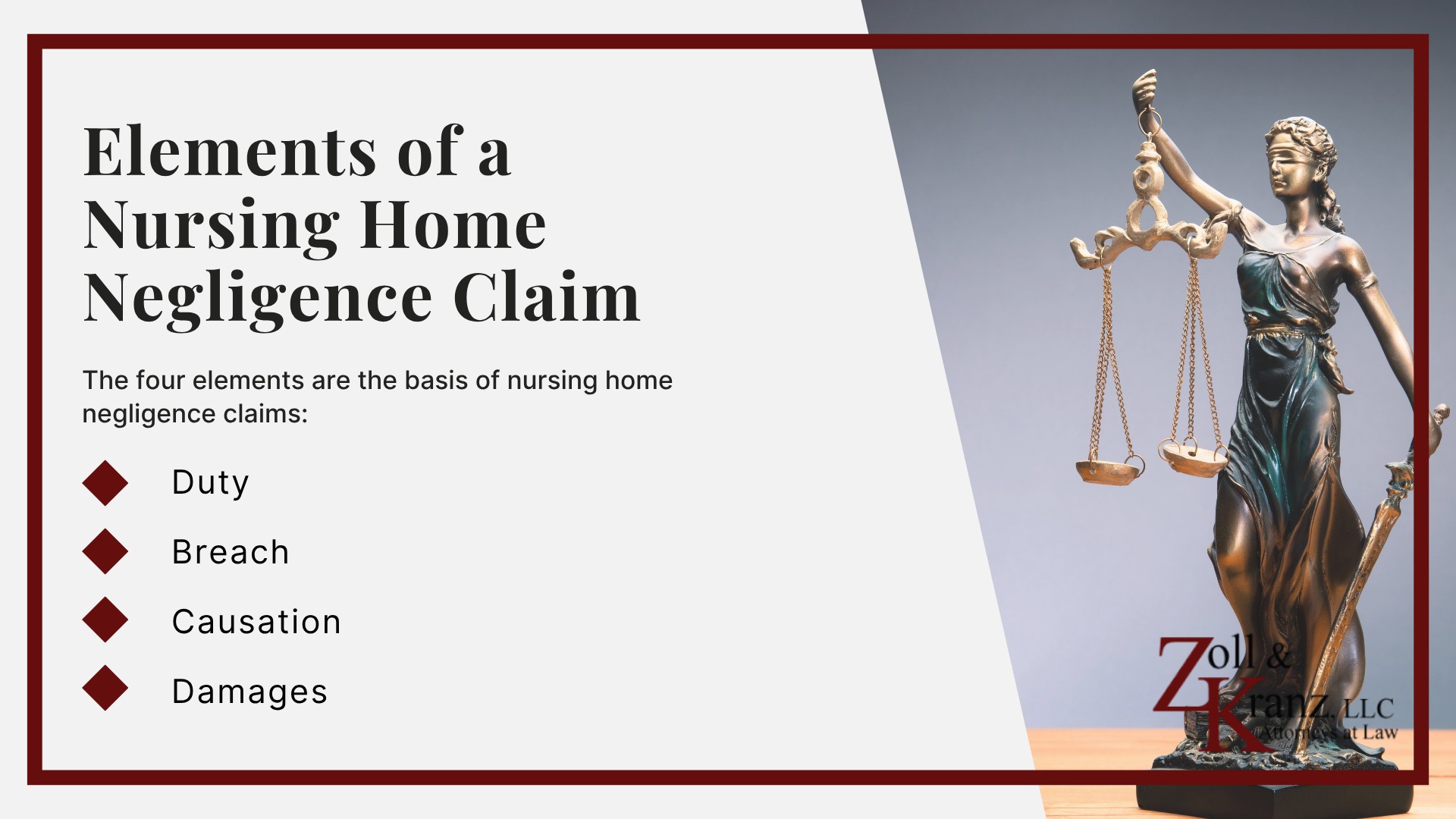
Elements of a Nursing Home Negligence Claim

A negligence claim must connect the facility failure to the resident fall and the injury that followed.

Each element should be supported by records, including the care plan, staffing records, treatment records, and facility notes.

The four elements are the basis of nursing home negligence claims:

  • Duty: Federal regulations, Ohio resident rights, the admission relationship, and the care plan can establish what the nursing home owed the resident.
  • Breach: Breach may involve ignored fall risk assessments, missed rounds, unsafe flooring, missing bed alarms, poor lighting, understaffing, or failure to follow the care plan.
  • Causation: Causation connects the breach to the fall and the injury, usually through medical records, incident reports, staffing logs, and witness accounts.
  • Damages: Damages may include medical costs, rehabilitation costs, chronic pain, loss of mobility, reduced quality of life, or wrongful death damages.

Evidence Used in Nursing Home Fall Cases

Evidence in nursing home fall cases should show what the facility knew before the fall, what care was required, what staff did, and how the injury followed.

To prove negligence in a nursing home fall case, attorneys often review medical records, care plans, and incident reports to identify if fall risks were properly addressed and if appropriate interventions were implemented.

The strongest evidence usually includes the resident chart, fall risk assessments, care plans, staffing logs, medication records, therapy notes, witness statements, and photographs.

Video footage, prior falls, survey citations, and complaints can also show whether the facility knew about unsafe conditions before the resident was hurt.

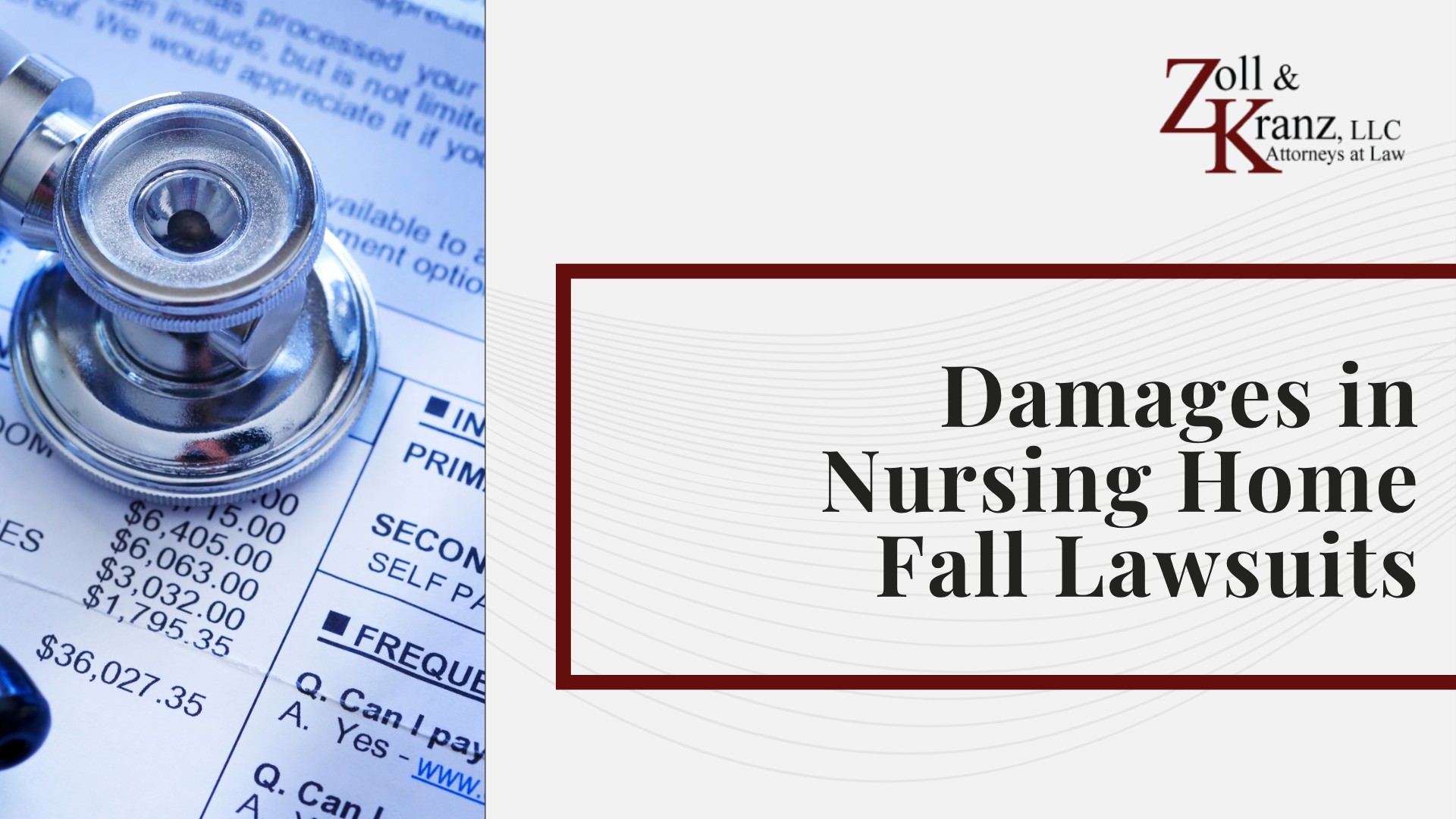
Damages in Nursing Home Fall Lawsuits

Damages depend on the injury, treatment, decline in function, cost of care, and whether the fall caused permanent harm.

Recoverable damages may include emergency care, hospitalization, surgery, rehabilitation costs, medication, therapy, mobility equipment, chronic pain, loss of independence, and relocation to another healthcare facility or living facility.

Fatal falls may support damages for funeral expenses, loss of companionship, and losses allowed under Ohio wrongful death law.

Talk to a Toledo Nursing Home Fall Lawyer

A serious fall in a Toledo nursing home should be reviewed when the resident suffered a fracture, head injury, hospitalization, loss of mobility, or a sharp decline after the incident.

The central question after a loved one’s fall is whether the incident followed a known risk that the facility failed to address through supervision, staffing, environmental safety, medication review, or the care plan.

Zoll & Kranz reviews nursing home fall claims for families across Toledo and Northwest Ohio.

The legal team also examines whether prior warnings, repeated falls, unsafe conditions, or ignored safety measures show nursing home negligence behind a loved one’s fall.

If your loved one suffered injuries after a fall in a nursing home, nursing facility, healthcare facility, or other healthcare facility in Toledo, contact Zoll & Kranz for a free consultation to discuss your legal options.

You can also use the chat feature on this page to request a no obligation case review and learn whether a nursing home fall claim may qualify.

Frequently Asked Questions

Published by:
Share
Picture of Michelle L. Kranz
Michelle L. Kranz

Michelle is a founding partner of Zoll & Kranz, located in Toledo, Ohio. Michelle has been a plaintiff’s lawyer for the entirety of her practice – over 32 years. She devotes the majority of her time to complex consolidated litigation and class action including advocating for people injured by medical devices, prescription medications, or corporate negligence.

This article has been written and reviewed for legal accuracy and clarity by the team of writers and attorneys at Zoll & Kranz, LLC and is as accurate as possible. This content should not be taken as legal advice from an attorney. If you would like to learn more about our owner and experienced Ohio injury lawyer, Michelle L. Kranz, you can do so here.

Zoll & Kranz, LLC does everything possible to make sure the information in this article is up to date and accurate. If you need specific legal advice about your case, contact us. This article should not be taken as advice from an attorney.

Other cases we handle in Toledo
All
Auto Accidents
Injury Types
Medical Malpractice
Nursing Home Abuse
Other Accidents & Injuries
You can learn more about other Toledo cases we handle below:
Auto Accident Lawsuit Timeline in Toledo
Auto Accident Statute of Limitations in Toledo, OH
Bedsores in Toledo Nursing Homes
Collecting Evidence in Toledo Medical Malpractice Cases
Collecting Evidence in Toledo Nursing Home Negligence Cases
Common Car Accident Injuries in Toledo, OH
Common Causes of Nursing Home Negligence
Common Types of Car Accident Damages
Dehydration and Malnutrition in Nursing Homes
Distracted Driving Accidents in Toledo, OH
Dropped Patients in Nursing Homes
DUI Accidents in Toledo
Duty of Care Owed by Nursing Home Facilities in Ohio
Evidence in Toledo Auto Accident Cases
Failure to Perform Procedure Malpractice Lawyer in Toledo
Head-On Collisions in Toledo
Hit-and-Run Accidents in Toledo
How is Fault Determined in a Car Accident?
How To File a Car Crash Lawsuit in Toledo
How to Report Nursing Home Abuse in Toledo, Ohio
Inattentive Nursing Home Staff: Steps to Take
Infections in Nursing Homes | Can You Sue?
Initial Steps To Take in a Toledo Medical Malpractice Case
Interstate Accidents in Toledo
Liability in Nursing Home Negligence Cases
Liability in Toledo Medical Malpractice Claims
Medication Errors in Nursing Homes
Mental and Emotional Abuse in Nursing Homes
Negligence in Toledo Medical Malpractice Cases
Negligent Hiring in Nursing Homes
Nursing Home Negligence Wrongful Death Cases in Toledo
Paralysis in Auto Accidents
Patient Rights in a Nursing Home
Personal Injury Lawyer Toledo, Ohio
Physical Abuse in Nursing Homes
Process of a Medical Malpractice Case in Toledo
Rear-End Collisions in Toledo, OH
Rental Car Accidents in Toledo
Rollover Accidents in Toledo
Securing a Police Report in Toledo After an Auto Accident
Sexual Abuse in Toledo Nursing Homes
Sideswipe Accidents in Toledo
Toledo Anesthesia Errors Lawyer
Toledo Auto Accident Comparative Negligence Explained
Toledo Auto Accident Lawyer
Toledo Bicycle Accident Lawyer
Toledo Burn Injury Lawyer
Toledo Bus Accident Lawyer
Toledo Cancer Misdiagnosis Lawyer
Toledo Car Accident Lawyer
Toledo Catastrophic Injury Lawyer
Toledo Daycare Injury Lawyer
Toledo Delayed Diagnosis Lawyer
Toledo Emergency Room Error Lawyer
Toledo Failure To Diagnose Lawyer
Toledo Insurance Claim Lawyer
Toledo Mass Torts Lawyer
Toledo Medical Malpractice Lawyer
Toledo Medication Error Lawyer
Toledo Misdiagnosis Medical Malpractice Lawyer
Toledo Motorcycle Accident Lawyer
Toledo Nurse Error Lawyer
Toledo Nursing Home Abuse Lawyer
Toledo Nursing Home Negligence Safety and Preventative Measures
Toledo Pedestrian Accident Lawyer
Toledo Spinal Cord Injury Lawyer
Toledo Surgical Error Lawyer
Toledo Toxic Exposure Lawyer
Toledo Traumatic Brain Injury Lawyer
Toledo Truck Accident Lawyer
Toledo Wrongful Death Lawyer
Types of Neglect in Nursing Homes
Wrong Site Surgery Malpractice in Toledo
Were you or a loved one injured in Toledo?

A serious injury can have life-altering results.

Don’t settle for less than you deserve, speak with an award-winning personal injury lawyer today.

29 Reviews
5.0
★★★★★
Recovered damages
$108 Million+

Table of Contents

Legal Guides
About Zoll & Kranz, LLC

For over 37 years, Zoll & Kranz has been fighting for clients who have been the victims of the wrongful death of a loved one.

Do you believe you’re entitled to compensation?

Use our Instant Case Evaluator to find out in as little as 60 seconds!

Guides & Resources

Other Toledo Personal Injury Cases

All
Auto Accidents
Injury Types
Medical Malpractice
Nursing Home Abuse
Other Accidents & Injuries
Local Toledo Resources
Education
Emergency Services
Courthouses
Department of Motor Vehicles
Sights to See