No fees unless we win.
Get a free consultation
•
31 Reviews
5.0
★★★★★

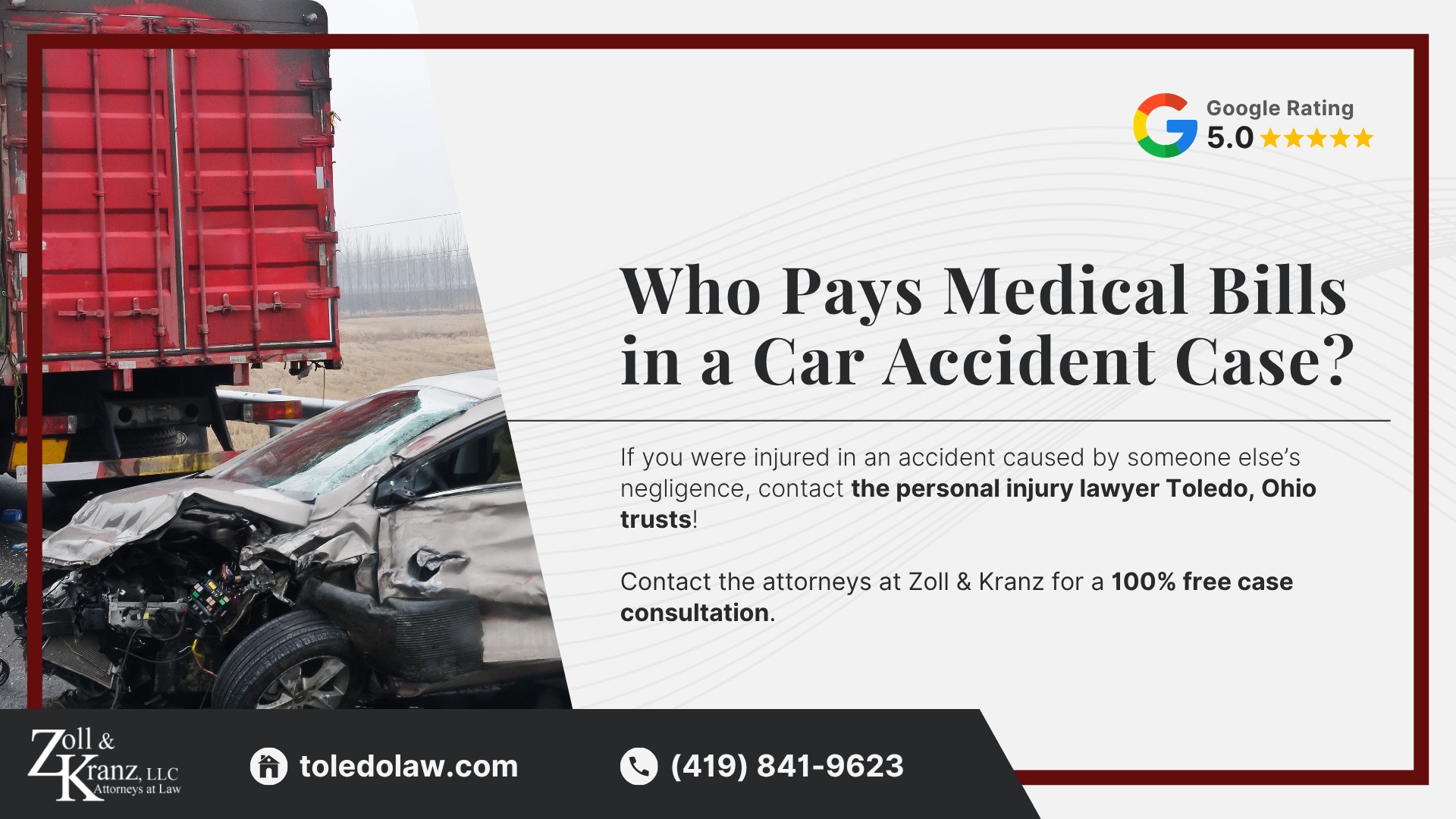
Who Pays Medical Bills in a Car Accident Case?

Understanding What Happens With Medical Bills After a Car Accident

Medical bills can begin arriving long before a car accident claim is resolved.

Depending on the available coverage, accident-related treatment may initially be paid through health insurance, MedPay, Medicare, Medicaid, or the injured person’s own funds, while the at-fault driver’s liability insurance may later provide compensation for qualifying medical expenses as part of a settlement or judgment.

Zoll & Kranz can review the available insurance coverage, gather medical records and billing statements, document current and future treatment costs, and identify liens or reimbursement claims that may affect the recovery.

Our attorneys can also pursue compensation for medical expenses and other losses supported by the evidence while addressing disputes involving insurers, healthcare providers, and other parties with potential repayment rights.

Who Pays Medical Bills in a Car Accident Case

Facing Medical Bills After a Car Accident? Contact Zoll & Kranz Today

A serious car accident can result in ambulance charges, emergency room bills, diagnostic testing, surgery, rehabilitation, physical therapy, prescriptions, and other medical expenses long before an injury claim is resolved.

Injured people may also face deductibles, co-pays, and other out-of-pocket expenses while insurance companies investigate fault and determine what coverage applies.

Health insurance can generally be used for covered accident-related treatment subject to the plan’s deductibles, co-pays, network requirements, and other terms.

If the injured person has medical payments coverage, or MedPay, that coverage may also help handle medical bills without requiring proof that another driver caused the crash, subject to the purchased limits and policy terms.

When another driver is legally responsible for the collision, that driver’s bodily injury liability insurance may ultimately provide compensation for qualifying medical expenses as part of a settlement or judgment.

If the responsible driver is uninsured or does not carry enough liability coverage, applicable uninsured or underinsured motorist coverage may also become relevant.

UM/UIM claims can involve coverage disputes, policy requirements, and questions about fault and damages that require separate review.

An experienced personal injury attorney can identify available insurance coverage, gather medical records and billing statements, document future treatment needs, and determine whether health insurers, Medicare, Medicaid, healthcare providers, or other entities assert valid medical liens or reimbursement rights.

Legal representation can also help address disputed charges and repayment demands before settlement proceeds are distributed.

Zoll & Kranz’s personal injury lawyers can investigate the accident, document the medical and financial effects of the injuries, and pursue the compensation supported by the evidence.

An experienced personal injury attorney can also evaluate how medical expenses, lost income, future care, and other damages should be included when seeking to recover compensation.

Zoll & Kranz handles qualifying personal injury cases on a contingency fee basis, subject to the written fee agreement.

If you are dealing with medical bills after a Toledo car accident, contact Zoll & Kranz for a free consultation or use the chat feature on this page to discuss your potential claim.

Who Pays Medical Bills While a Car Accident Claim Is Pending?

Who pays medical bills after a car accident often depends on the insurance and benefits available before the liability claim is resolved.

The at-fault driver’s insurance company typically does not pay each hospital, physician, therapy, or other medical bill as soon as treatment occurs.

While a personal injury claim is pending, an injured person may rely on a health insurance plan, Medicare or Medicaid, optional medical payments coverage under an auto insurance policy, personal funds, or arrangements with medical providers.

A person with a serious car accident injury should still obtain immediate medical attention and follow appropriate treatment recommendations rather than waiting for the liability claim to be resolved.

Potential sources for paying accident-related medical care may include:

  • Private health insurance
  • Medicare or Medicaid
  • Medical payments coverage under an auto insurance policy
  • Out-of-pocket payments for deductibles, co-pays, and uncovered treatment
  • Payment arrangements with healthcare providers

Who pays initially and who is ultimately responsible are separate questions.

If another driver caused the crash, qualifying medical expenses may later be included in the damages pursued against that driver and through applicable liability insurance.

Using Health Insurance After a Car Accident

Accident-related treatment can generally be submitted to a health insurance provider when the treatment is covered by the health insurance plan.

Deductibles, co-pays, network requirements, exclusions, and other ordinary policy terms may still apply.

Using health insurance can help pay for necessary treatment while the liability claim remains unresolved.

This may include emergency care, diagnostic testing, follow-up treatment with a primary care physician or specialist, physical therapy, prescriptions, and other covered services.

The health insurance company may ask how the injury occurred and whether another person may be legally responsible.

That information can become important because an insurer that pays accident-related medical expenses may later assert subrogation or reimbursement rights against a settlement or other recovery.

Ohio Revised Code Section 2323.44 addresses certain subrogation claims asserted by insurance companies, self-funded health plans, and other qualifying entities.

Whether reimbursement is owed and in what amount depends on the applicable plan, Ohio or federal law, and the circumstances of the recovery.

Injured people should keep copies of medical bills and corresponding explanations of benefits and make sure claims are submitted to the appropriate insurer when required.

The original charges, negotiated adjustments, amounts paid by insurance, patient responsibility, and other information can all become relevant when documenting total medical bills and resolving reimbursement issues.

How MedPay Works in Ohio

Medical payments coverage, commonly called MedPay, is optional auto insurance coverage that may pay covered accident-related medical expenses up to the purchased policy limit.

Unlike bodily injury liability coverage, MedPay generally does not require the insured to prove that another driver caused the accident before making a claim for covered benefits.

Depending on the auto insurance policy, MedPay may cover qualifying expenses for the policyholder and other insured occupants, including emergency treatment, hospital care, physician services, diagnostic imaging, and other medical care.

It may also help with certain deductibles, co-pays, or other expenses when those charges are covered by the policy.

The available benefits, limits, exclusions, eligible people, and claim procedures depend on the specific policy.

Ohio does not require motorists to purchase MedPay as part of the state’s minimum financial-responsibility requirements.

Ohio’s required minimum liability limits are $25,000 for bodily injury or death to one person, $50,000 for bodily injury or death to two or more people in one accident, and $25,000 for property damage.

Those requirements concern liability coverage rather than MedPay.

When MedPay is available, an injured person can generally submit a first-party claim to their own auto insurance company while the negligence claim against another driver remains pending.

Ohio insurance rules provide that, subject to the policy terms, an insurer should settle a first-party claim at the insured’s request without considering whether another person may ultimately be responsible for the payment.

Does the At-Fault Driver Pay Medical Bills as They Come Due?

Usually, not directly.

Even when another motorist appears responsible for an accident, the at-fault driver’s insurance company may investigate liability, medical causation, and the extent of the damages before resolving the bodily injury claim.

That process can take longer than the billing schedules used by hospitals, physicians, therapists, and other healthcare providers.

The injured person may therefore continue receiving medical bills while the liability claim remains pending.

If the other driver is ultimately responsible, qualifying accident-related medical expenses may be included in the compensation sought through the driver’s bodily injury liability coverage or a judgment.

This does not generally mean that the liability carrier will pay each healthcare provider as treatment occurs.

While the claim remains unresolved, the insurance system may require an injured person to use available health insurance or MedPay, pay certain out-of-pocket costs, or make another arrangement with the medical provider.

Ohio insurance regulations establish deadlines for acknowledging and investigating claims, including requirements for insurers to provide updates when additional investigation is necessary.

Those rules do not require an at-fault driver’s liability carrier to make ongoing medical payments merely because a third-party bodily injury claim has been submitted.

What If You Do Not Have Health Insurance or MedPay?

An injured person without health insurance or MedPay may face more immediate financial pressure after a serious crash.

Federal law generally requires qualifying hospital emergency departments to provide screening and stabilizing treatment for an emergency medical condition regardless of insurance status or ability to pay, but bills for that care and later treatment can still become the patient’s responsibility.

Possible options for addressing medical expenses may include:

  • Asking healthcare providers about payment plans
  • Applying for hospital financial assistance or charity-care programs when eligible
  • Asking about uninsured or self-pay discounts
  • Determining whether Medicaid or another public benefit program may apply
  • Paying necessary out-of-pocket costs when possible
  • Asking whether a provider offers an arrangement for patients with pending personal injury claims

Some medical providers may agree to delay collection or seek payment from a later personal injury recovery, but those arrangements are not automatic.

Any agreement should be reviewed carefully because repayment obligations can reduce the amount ultimately available to the injured person from a settlement.

The Consumer Financial Protection Bureau recommends checking medical bills for errors, confirming available insurance coverage, asking about financial assistance, and discussing repayment options with the provider when a bill cannot be paid.

Regardless of insurance status, someone with significant injuries should seek timely medical care when treatment is medically necessary.

Delaying necessary treatment can affect the person’s health and may also make it more difficult to establish the relationship between the accident and later medical care.

How Medical Bills Become Part of a Car Accident Claim

Medical expenses resulting from a car accident can be included as economic damages in an Ohio personal injury claim when the treatment was caused by the injuries for which the defendant is legally responsible.

Ohio law defines economic loss to include expenditures for medical care, treatment, rehabilitation, and other services or accommodations required because of an injury, including qualifying future medical expenses.

Depending on the injuries and treatment required, a claim may include expenses for:

  • Ambulance transportation
  • Emergency room treatment
  • Hospitalization
  • Surgery
  • Diagnostic testing
  • Primary-care and specialist visits
  • Physical therapy and rehabilitation
  • Prescription medications
  • Medical equipment
  • Future medical care

Medical bills do not automatically establish that every charge is recoverable from the defendant.

The injured person must still establish liability, show that the accident caused the injuries requiring treatment, and support the necessity and reasonable value of the claimed medical expenses.

Ohio courts recognize medical bills and amounts paid for treatment as evidence that can help establish the reasonable value of medical care.

In Robinson v. Bates, the Supreme Court of Ohio explained that proof of the amount billed or paid, together with evidence concerning the services provided, can constitute prima facie evidence of the necessity and reasonableness of medical expenses.

The opposing party may present evidence challenging the amount claimed.

A seasoned personal injury attorney may gather medical records, billing statements, explanations of benefits, treatment plans, and physician opinions to document the medical expenses resulting from the crash and their connection to the injuries being claimed.

Can Medical Bills Go to Collections While a Case Is Pending?

Yes.

A pending personal injury claim or lawsuit does not automatically stop medical billing or prevent a healthcare provider from attempting to collect a valid unpaid balance.

Medical providers generally do not have to wait for a car accident claim to settle before billing the patient.

If health insurance, MedPay, or another source has not paid the bill and no separate payment arrangement exists, the provider may continue billing the injured person.

An unpaid account may eventually be referred to a third-party collection agency, even while the personal injury claim remains unresolved.

Ignoring mounting medical bills can create additional financial problems.

An injured person or attorney may contact the provider’s billing department to confirm that available health insurance was properly billed, determine whether MedPay or another coverage should be submitted, check the accuracy of the charges, and ask about payment plans, financial assistance, or other temporary arrangements.

If a debt collector contacts you about a medical bill, verify that the debt and amount are accurate before making payment.

Federal consumer-protection laws regulate certain debt-collection practices, and the No Surprises Act provides additional protections against certain prohibited surprise medical charges.

What If the At-Fault Driver Does Not Have Enough Insurance?

A serious car accident can result in medical expenses and other damages that exceed the at-fault driver’s available liability coverage.

Ohio’s minimum liability coverage is $25,000 for bodily injury or death to one person and $50,000 for bodily injury or death to two or more people in a single accident.

When the responsible driver is an uninsured or underinsured driver, the injured person’s own auto insurance policy should also be reviewed.

Ohio does not require auto policies to include uninsured or underinsured motorist coverage, but UM/UIM coverage may provide compensation for covered bodily injury damages, including qualifying medical expenses, when the policy and statutory requirements are satisfied.

Underinsured motorist coverage does not automatically apply simply because the injured person’s damages exceed the other driver’s insurance limits.

Under Ohio law, UIM coverage generally applies when the bodily injury liability limits available from responsible parties are lower than the applicable UIM limits.

Other potential sources of insurance or recovery may include:

  • Uninsured motorist coverage when the responsible driver has no applicable liability insurance
  • Underinsured motorist coverage when the statutory and policy requirements are satisfied
  • Umbrella or excess liability coverage
  • Commercial insurance when the driver was acting within the scope of employment
  • Insurance covering another person or business that is independently liable for the accident

An attorney may also investigate whether a vehicle owner, employer, business, or another party bears independent legal responsibility for the collision.

The fact that the at-fault driver carries only minimum liability coverage does not necessarily establish the total amount of insurance or other recovery potentially available.

Can You Recover Future Medical Expenses in an Ohio Car Accident Case?

Yes.

Future medical costs may be included in an Ohio personal injury claim when the evidence supports that the person will require additional treatment because of injuries sustained in the accident.

Ohio law recognizes qualifying future expenditures for medical care, treatment, rehabilitation, and related services as economic losses.

Future medical treatment expenses may include the cost of:

  • Additional surgery
  • Specialist appointments
  • Physical or occupational therapy
  • Prescription medication
  • Diagnostic testing
  • Medical equipment
  • Home healthcare
  • Rehabilitation
  • Long-term treatment for permanent injuries

Future medical expenses must be supported by evidence rather than speculation.

Medical records, treating physician opinions, prognosis evidence, expert testimony, and a life-care plan in appropriate cases can help establish the type, duration, and expected cost of future treatment.

This issue can be particularly important for accident victims with traumatic brain injuries, spinal cord injuries, chronic pain, permanent disabilities, or other conditions expected to require continuing care.

Settling a claim before reasonably anticipated medical needs are evaluated may leave future medical costs outside the compensation obtained through the resolved personal injury claim.

Zoll & Kranz: Get Help After an Ohio Car Accident

An auto accident can leave an injured person dealing with hospital bills, follow-up treatment, lost wages, and uncertainty about which insurance coverage should address the financial effects of the crash.

Depending on the circumstances, medical expenses may initially be handled through your own health insurance, MedPay, Medicare, Medicaid, or other available coverage while the liability claim remains pending.

Zoll & Kranz can investigate how the accident occurred, identify available insurance coverage, gather medical records and billing documentation, and evaluate the losses resulting from the injuries sustained.

Our attorneys can also review medical liens, subrogation demands, Medicare or Medicaid recovery claims, and other reimbursement issues that may affect the final recovery.

If another driver or party is legally responsible, we can pursue compensation for medical expenses, lost wages, future treatment, pain and suffering, and other damages supported by the evidence.

When an insurance claim cannot be resolved through settlement, our attorneys can pursue the legal claim through a personal injury lawsuit when appropriate.

Zoll & Kranz handles qualifying personal injury cases on a contingency fee basis, subject to the written fee agreement.

If you are dealing with medical bills after an Ohio car accident, contact Zoll & Kranz for a free consultation or use the chat feature on this page.

Our attorneys can review your insurance coverage, medical expenses, and potential legal claim and explain the options available for seeking compensation.

Frequently Asked Questions

Published by:
Share
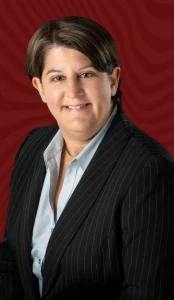
Picture of Michelle L. Kranz
Michelle L. Kranz

Michelle Kranz is a founding partner of Zoll & Kranz, located in Toledo, Ohio. Michelle has practiced as a plaintiff's lawyer for over 32 years, representing Ohioans injured in car accidents, other auto accidents, and other personal injury matters. Michelle also has extensive experience with large-scale consolidated litigation and class actions involving medical devices, prescription medications, and corporate negligence.

This article has been written and reviewed for legal accuracy and clarity by the team of writers and attorneys at Zoll & Kranz, LLC and is as accurate as possible. This content should not be taken as legal advice from an attorney. If you would like to learn more about our owner and experienced Ohio injury lawyer, Michelle L. Kranz, you can do so here.

Zoll & Kranz, LLC does everything possible to make sure the information in this article is up to date and accurate. If you need specific legal advice about your case, contact us. This article should not be taken as advice from an attorney.

Other cases we handle in Toledo
All
Auto Accidents
Injury Types
Medical Malpractice
Nursing Home Abuse
Other Accidents & Injuries
You can learn more about other Toledo cases we handle below:
Auto Accident Lawsuit Timeline in Toledo
Auto Accident Statute of Limitations in Toledo, OH
Bedsores in Toledo Nursing Homes
Car Accident Injury Claim Process in Ohio
Collecting Evidence in Toledo Medical Malpractice Cases
Collecting Evidence in Toledo Nursing Home Negligence Cases
Common Car Accident Injuries in Toledo, OH
Common Causes of Nursing Home Negligence
Common Types of Car Accident Damages
Dehydration and Malnutrition in Nursing Homes
Distracted Driving Accidents in Toledo, OH
Dropped Patients in Nursing Homes
DUI Accidents in Toledo
Duty of Care Owed by Nursing Home Facilities in Ohio
Evidence in Toledo Auto Accident Cases
Failure to Perform Procedure Malpractice Lawyer in Toledo
Head-On Collisions in Toledo
Hit-and-Run Accident Claims in Toledo
Hit-and-Run Accidents in Toledo
How is Fault Determined in a Car Accident?
How To File a Car Crash Lawsuit in Toledo
How to Report Nursing Home Abuse in Toledo, Ohio
Inattentive Nursing Home Staff: Steps to Take
Infections in Nursing Homes | Can You Sue?
Initial Steps To Take in a Toledo Medical Malpractice Case
Interstate Accidents in Toledo
Liability in Nursing Home Negligence Cases
Liability in Toledo Medical Malpractice Claims
Medication Errors in Nursing Homes
Mental and Emotional Abuse in Nursing Homes
Negligence in Toledo Medical Malpractice Cases
Negligent Hiring in Nursing Homes
Nursing Home Negligence Wrongful Death Cases in Toledo
Ohio Car Insurance Laws
Paralysis in Auto Accidents
Patient Falls in Nursing Homes
Patient Rights in a Nursing Home
Personal Injury Lawyer Toledo, Ohio
Physical Abuse in Nursing Homes
Process of a Medical Malpractice Case in Toledo
Rear-End Collisions in Toledo, OH
Rental Car Accidents in Toledo
Rollover Accidents in Toledo
Securing a Police Report in Toledo After an Auto Accident
Sexual Abuse in Toledo Nursing Homes
Sideswipe Accidents in Toledo
Steps to Take After an Auto Accident in Toledo, OH
Toledo Anesthesia Errors Lawyer
Toledo Auto Accident Comparative Negligence Explained
Toledo Auto Accident Lawyer
Toledo Bicycle Accident Lawyer
Toledo Burn Injury Lawyer
Toledo Bus Accident Lawyer
Toledo Cancer Misdiagnosis Lawyer
Toledo Car Accident Lawyer
Toledo Catastrophic Injury Lawyer
Toledo Daycare Injury Lawyer
Toledo Delayed Diagnosis Lawyer
Toledo Emergency Room Error Lawyer
Toledo Failure To Diagnose Lawyer
Toledo Insurance Claim Lawyer
Toledo Lyft Accident Lawyer
Toledo Mass Torts Lawyer
Toledo Medical Malpractice Lawyer
Toledo Medication Error Lawyer
Toledo Misdiagnosis Medical Malpractice Lawyer
Toledo Motorcycle Accident Lawyer
Toledo Nurse Error Lawyer
Toledo Nursing Home Abuse Lawyer
Toledo Nursing Home Negligence Safety and Preventative Measures
Toledo Pedestrian Accident Lawyer
Toledo Public Transportation Accident Lawyer
Toledo Rideshare Accident Lawyer
Toledo Spinal Cord Injury Lawyer
Toledo Surgical Error Lawyer
Toledo Toxic Exposure Lawyer
Toledo Traumatic Brain Injury Lawyer
Toledo Truck Accident Lawyer
Toledo Uber Accident Lawyer
Toledo Whiplash Lawyer
Toledo Wrongful Death Lawyer
Types of Neglect in Nursing Homes
Wrong Site Surgery Malpractice in Toledo
Were you or a loved one injured in Toledo?

A serious injury can have life-altering results.

Don’t settle for less than you deserve, speak with an award-winning personal injury lawyer today.

•
31 Reviews
5.0
★★★★★
Recovered damages
$108 Million+

Table of Contents

Legal Guides
About Zoll & Kranz

For over 37 years, Zoll & Kranz has been fighting for Ohioans injured in car accidents, other auto accidents, and other personal injury matters.

Do you believe you’re entitled to compensation?

Use our Instant Case Evaluator to find out in as little as 60 seconds!

Guides & Resources

Other Toledo Personal Injury Cases

All
Auto Accidents
Injury Types
Medical Malpractice
Nursing Home Abuse
Other Accidents & Injuries
Local Toledo Resources
Education
Emergency Services
Courthouses
Department of Motor Vehicles
Sights to See